
Private Bill Proposals in Provincial Parliament
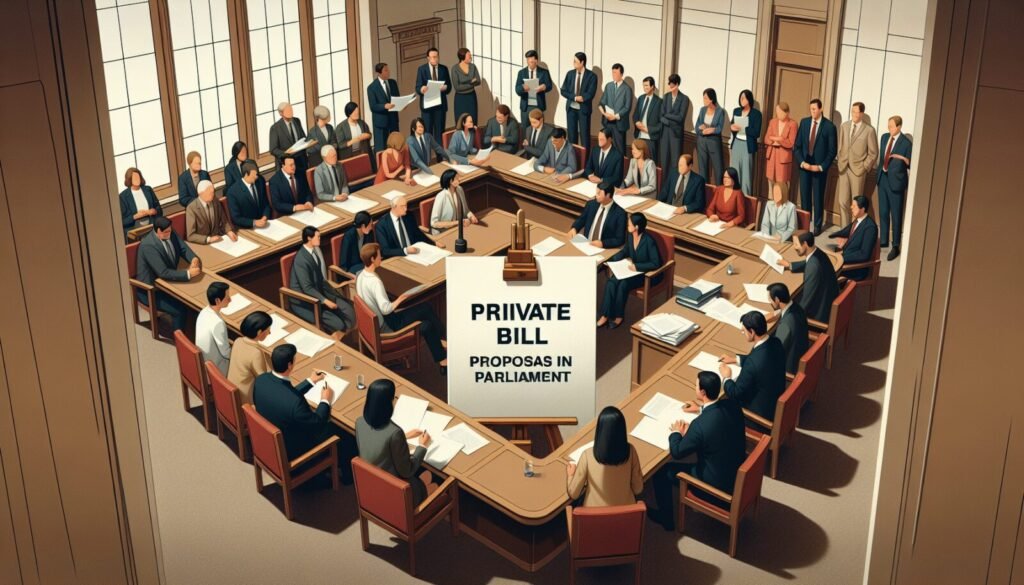
Understanding the intricacies of legal processes related to private bills in Ontario is essential for residents who wish to engage with their local government. Whether you’re a concerned citizen or a legal professional, navigating the legislative landscape can seem daunting. This article aims to clarify the process surrounding private bills, how they differ from public legislation, and the steps involved in proposing one.
What is a private bill in Ontario?
A private bill is a type of legislation designed to confer specific benefits or powers to particular individuals or organizations rather than the general public. In Ontario, these bills often address unique circumstances that cannot be solved through general law. Here are some key characteristics:
- Specific Scope: Private bills typically affect only a small group or a single entity.
- Legislative Process: Unlike public bills, private bills must follow a distinct legislative process that includes public hearings and consultations.
- Examples: Common examples include the incorporation of a non-profit organization or addressing specific land use issues.
In cities like Toronto and Ottawa, private bills can facilitate local development projects or address specific community needs, ensuring that laws are tailored to unique situations.
How to find parliamentary work on a bill?
Tracking the progress of a private bill in Ontario's legislature is crucial for stakeholders. The process involves several stages, including introduction, committee review, and third reading. To stay informed, you can:
- Visit the official Ontario Legislative Assembly website for real-time updates.
- Subscribe to newsletters or alerts specific to the bill or topic of interest.
- Engage with local representatives or advocacy groups who monitor legislative developments.
For instance, if you are in Mississauga or Brampton, local community organizations often provide updates on bills impacting local interests.
How can you propose a private bill?
Proposing a private bill in Ontario is a structured process that requires careful preparation and adherence to legislative protocols. Here are the steps involved:
- Identify the Need: Clearly define the issue that the bill will address.
- Draft the Bill: Work with legal professionals to draft the bill text, ensuring it meets legislative requirements.
- Find a Sponsor: A Member of Provincial Parliament (MPP) must sponsor the bill for it to be introduced.
- Submit for Review: The bill will undergo a review process, including potential amendments based on feedback.
Residents in cities like Hamilton and London looking to propose bills should consider consulting with local legal experts to navigate this process effectively.
Understanding the legislative back-and-forth
The term used to describe the back-and-forth process of a bill moving between the Assembly and the Senate is known as "ping-pong." This process allows for comprehensive dialogue and amendments to ensure the bill meets legislative standards. Here’s how it works:
- The bill is introduced and debated in the Assembly.
- After amendments, it may be sent to the Senate for further review.
- If changes are made in the Senate, the bill returns to the Assembly for additional consideration.
This collaborative approach is vital for ensuring that the legislation is adequately vetted and refined, which ultimately benefits constituents across Ontario.
The role of public input in the legislative process
Public engagement is a critical component of the legislative process for private bills. This can include public hearings where citizens can voice their opinions and concerns. The benefits of public input are manifold:
- Informed Legislation: Gathering public opinions helps lawmakers understand the community's needs and perspectives.
- Transparency: Public hearings increase transparency in government actions, fostering trust among citizens.
- Accountability: Lawmakers are held accountable for the decisions they make, influenced by public feedback.
For residents of major Ontario cities, participating in these hearings can shape legislation that directly affects their communities.
Where to seek assistance and legal advice
For those interested in navigating the complexities of proposing private bills or understanding legislative processes, seeking professional legal advice is highly recommended. Here are some resources:
- Local Law Firms: Many law firms in cities like Toronto and Ottawa specialize in government relations and legislative affairs.
- Legal Clinics: Community legal clinics offer free legal advice and may assist in drafting bills.
- Government Resources: The Ontario Legislative Assembly provides guidelines and resources for individuals looking to propose legislation.
Engaging with these resources can provide clarity and direction in the legislative process, ensuring that your voice is heard in government.
Interested in similar topics to Private Bill Proposals in Provincial Parliament? Explore more in the Uncategorized category.
Leave a Reply